
China–Central Asia Agricultural Cooperation (Issue 06, 2026)
In This Issue
- Inner Mongolia's agricultural exports to Central Asia reach RMB 710 million in the first three quarters, up 55.2%
- Turugart Port handles 2.041 million tonnes of cargo in January–September; agricultural trade totals RMB 1.751 billion
- China–Europe freight train service from Changsha completes China's first cross-border financing on multimodal electronic documents, secured on grain imported from Kazakhstan
- Alashankou comprehensive bonded zone bulk grain line: Kazakh barley trains run directly to silos for local processing
- Tajikistan's cotton fabric output halves in January–September; 17,200 tonnes imported from China
- CAAS Institute of Bast Fiber Crops hosts an international symposium in Changsha and reaches cooperation intent with two Uzbek research institutes
- Xi'an's trade with the five Central Asian countries reaches RMB 7.23 billion in the first three quarters, up 12.3%; Shaanxi fresh pear exports rise in both volume and value
- Colour peppers from Fuxingdi, Fuxin, Liaoning enter Central Asian markets
- Fresh-cut roses from Linxia County, Gansu reach Kazakhstan and other West and Central Asian markets within 48 hours
- First batch of 150,000 seedlings shipped from Xinjiang's Hutubi National Seedling Trading Market to Tashkent
- The 33rd Yangling Agricultural High-Tech Fair and the 2026 SCO Agricultural Expo close: platforms, technology and talent oriented to Central Asia
- Horgos Port fruit and vegetable exports hit a record high
- Uzbekistan's citrus import eligibility list for China: 241 Chinese companies
- Kashi–Khujand (Tajikistan) air route: fresh-cut flower exports begin to normalise
Articles
1. Inner Mongolia's agricultural exports to Central Asia reach RMB 710 million in the first three quarters, up 55.2%
(23 October; sources: Information Office of the Inner Mongolia Autonomous Region Government; Hohhot Customs)
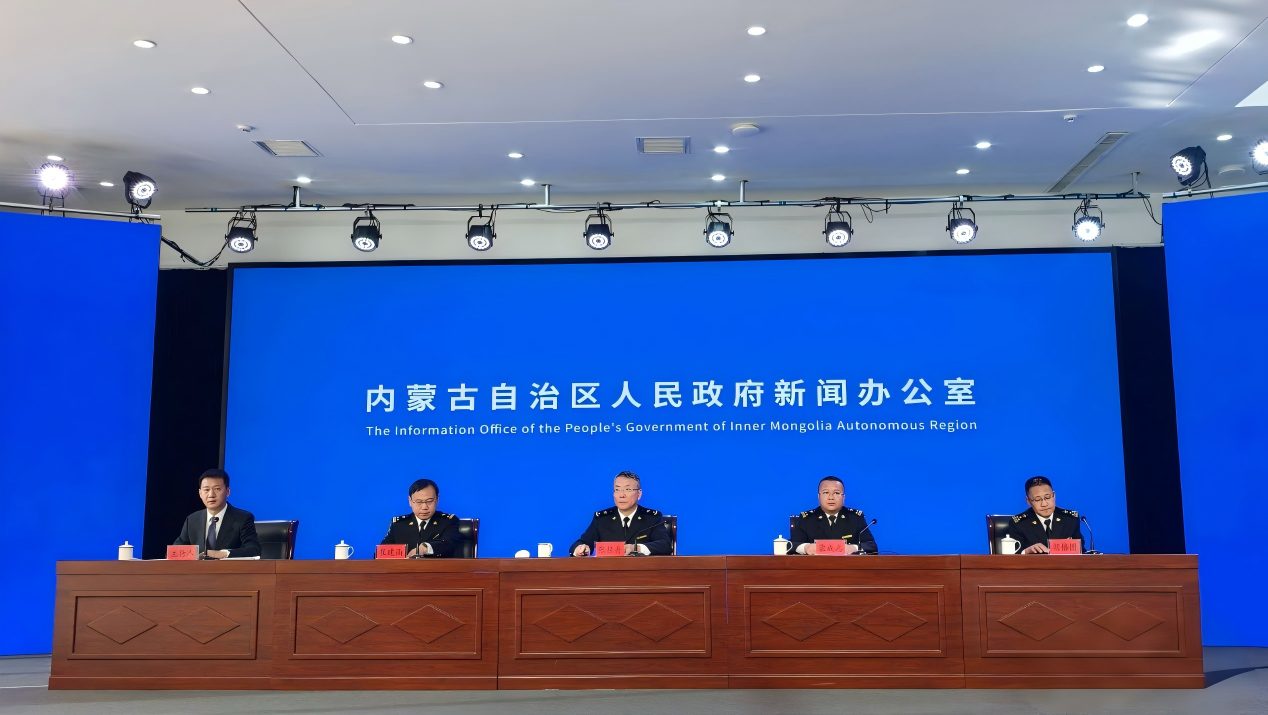
Customs statistics show that in the first three quarters Inner Mongolia's trade with Belt and Road partner countries reached RMB 174.96 billion, up 42.4%, accounting for 84.3% of the region's total, a share 5.7 percentage points higher than a year earlier. Among emerging markets, trade with Africa, South Asia and Central Asia stood at RMB 7.36 billion, RMB 5.04 billion and RMB 2.27 billion respectively, growing 44.2%, 17.6% and 45.3%. On the export side, shipments to South Asia, Africa and Central Asia grew 18.5%, 50.2% and 51.8%, together accounting for 13.6% of the region's total export value. Agricultural exports to Central Asia reached RMB 710 million, up 55.2%; imports from Central Asia totalled RMB 540 million, up 27.4%, of which agricultural imports reached RMB 250 million, up 100.7%, a doubling.
Cui Jiangao, deputy director of the statistics and analysis division of Hohhot Customs, said emerging-market economies have become an important direction for diversifying Inner Mongolia's import and export mix. Customs will continue supporting enterprises in expanding into emerging markets in Africa, Latin America, the Middle East and Central Asia, helping them secure markets and orders and guiding them in responding to new foreign trade regulations.
Source: Information Office of the Inner Mongolia Autonomous Region Government; Hohhot Customs
2. Turugart Port handles 2.041 million tonnes of cargo in January–September; agricultural trade totals RMB 1.751 billion
(26 October; source: Silk Road New Observation)
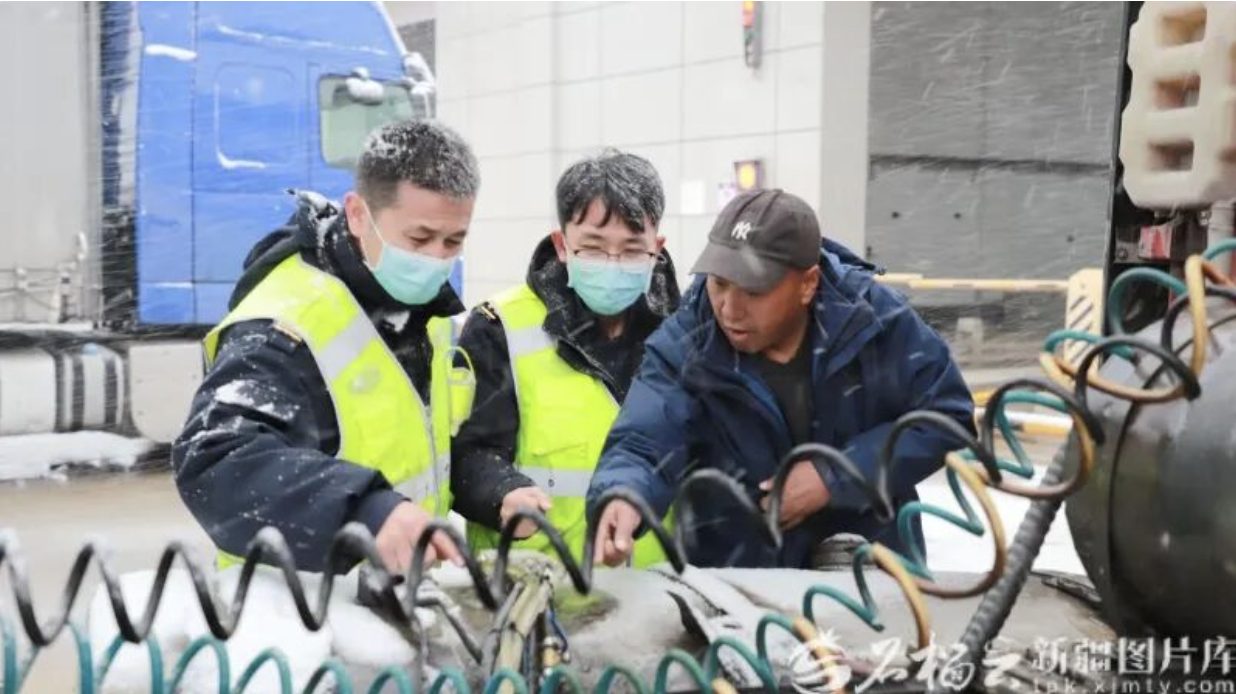
Turugart is the only land port between China and Kyrgyzstan open year-round to passenger and freight traffic, and its agricultural trade data is a direct indicator of the structure of China–Kyrgyzstan agri-trade. According to Urumqi Customs, cargo throughput at the port reached 2.041 million tonnes in January–September, passing the 2 million tonne mark 82 days earlier than last year, with agricultural trade valued at RMB 1.751 billion, up 5.6% year on year.
In April 2026 China and Kyrgyzstan signed 17 agricultural export protocols; in September the two sides agreed on the export of Kyrgyz grain products to China through Turugart and signed three quarantine and health protocols covering horses, heat-treated beef and mutton, and fresh fruit. China–Kyrgyzstan agri-trade is shifting from "fast clearance for a single category" to an "all-category corridor" covering grain, meat, fruit, vegetables and dairy products.
Song Hongbo, head of Turugart Customs, said that as construction of the Kyrgyz section of the China–Kyrgyzstan–Uzbekistan railway gets fully under way, exports of railway construction materials through the port have surged. "Customs has opened a dedicated corridor for China–Kyrgyzstan–Uzbekistan railway construction materials and introduced a package of facilitation measures. In the first three quarters we supervised 353,500 tonnes of railway construction materials, up 179.18% year on year," Song said.
Source: Silk Road New Observation, citing Urumqi Customs
3. China–Europe freight train service from Changsha completes China's first cross-border financing on multimodal electronic documents, secured on grain imported from Kazakhstan
(27 October; source: Hunan Daily)
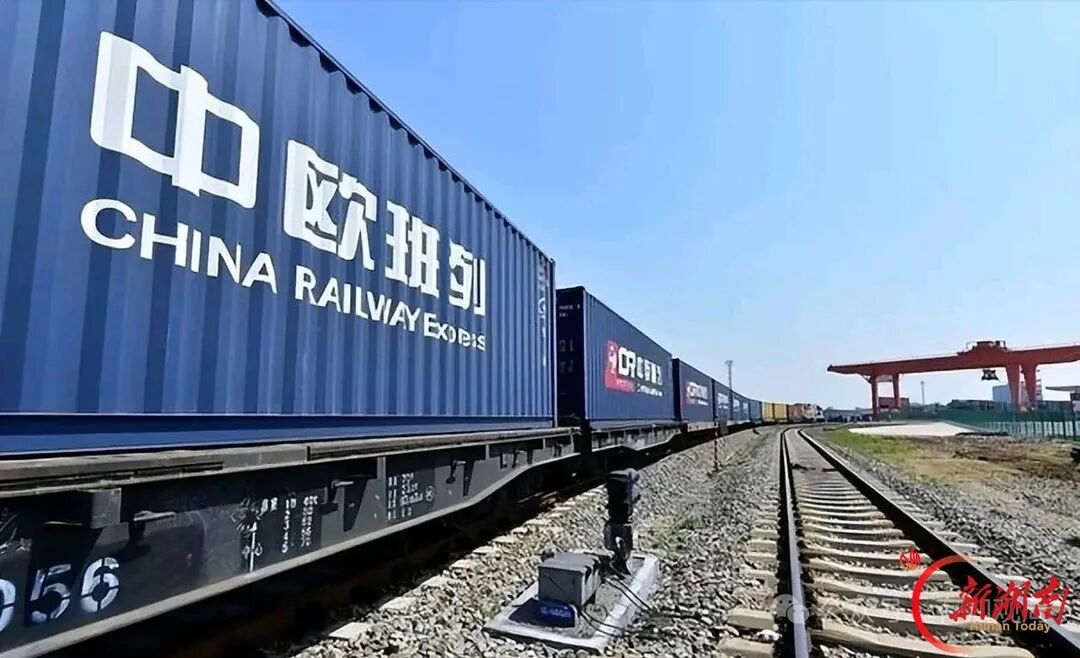
A China–Europe freight train arriving in Changsha from Central Asia carried grain and grain products imported from Kazakhstan, and China's first trade finance transaction based on electronic negotiable cargo documents (eNCD) issued under the China International Freight Forwarders Association (CIFA) framework was completed alongside it, allowing payment to be settled while the goods were still in transit. The transaction was arranged by Hunan Zhongnan International Land Port Co., Ltd. together with China Merchants Bank.
The agricultural shipment's route spanned rail, road and water: the goods departed from the Zhanayesli station in Kazakhstan, entered China through Horgos, travelled to Changsha North Station on a Central Asia train, were short-hauled by road to Changsha Port and then transshipped onto a domestic vessel bound for the Chenglingji terminal in Yueyang. Previously, rail waybills did not function as documents of title, so financing for grain had to wait until the cargo reached port, tying up working capital for a long period. The significance of this transaction for Central Asian grain imports lies in unblocking the working-capital cycle.
Source: Hunan Daily
4. Alashankou comprehensive bonded zone bulk grain line: Kazakh barley trains run directly to silos for local processing
(26–28 October; sources: Alashankou Municipal People's Government; CCTV.com)
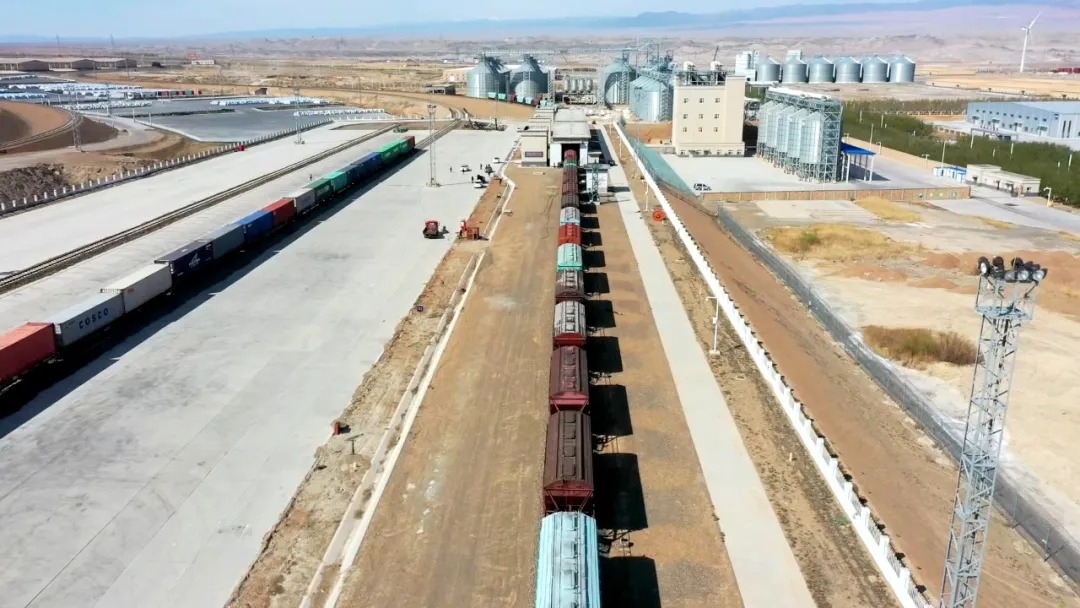
At the bulk grain rail siding in the Alashankou Comprehensive Bonded Zone, trains of barley from Kazakhstan pull in one after another to be unloaded under the discharge shed, with the grain moved into storage by automated equipment. The dedicated line handles unloading, storage and in-zone processing transport for Kazakh bulk grain, and is the key transport link that turns transit cargo into locally processed product.
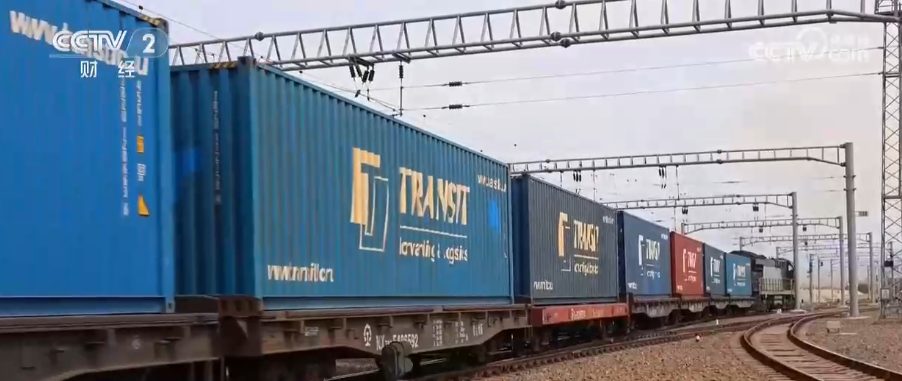
On transport efficiency, the line has an unloading capacity of 600 tonnes per hour; a 42-wagon bulk grain train is unloaded in about five hours, and daily silo turnover capacity is 6,000 tonnes. With automated transloading and smart sampling, customs inspection and loading time for grain has been cut from 48 hours to 12 hours, a 75% efficiency gain; loading and unloading time per grain wagon has been reduced by 60%; and a smart laboratory system has shortened testing time by more than 30%. The zone has built more than 600,000 square metres of standard factory space and 28 dedicated rail sidings, and hosts more than 360 enterprises.
On supporting capacity, the zone has more than 50 grain silos with total storage capacity of 280,000 tonnes. Trains use hopper wagons to carry barley, wheat, flaxseed and other bulk grain, which moves through discharge ports directly onto conveyors into the silos. Once grain arrives in the bonded zone, enterprises can process it on site and benefit from bonded policies. Customs applies a "two-stage access with conditional release" model. At the clearance stage, inspection of a single truck has been cut from 15 minutes to under 6 minutes and inspection of a single train from 40 minutes to under 15 minutes, reducing overall clearance time by 85%.
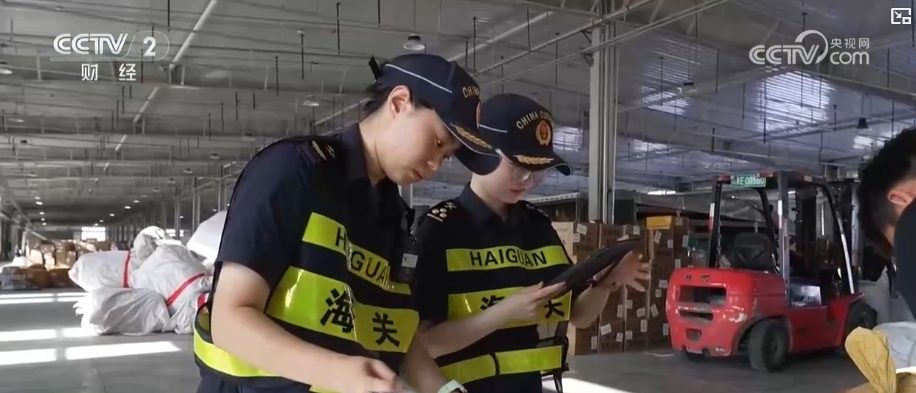
On volumes, trade value in the bonded zone reached RMB 20.11 billion in January–September, of which imports were RMB 15.56 billion, up 35.6%. Inbound grain on the bulk line reached 379,000 tonnes, 2.7 times last year's full-year total of 140,000 tonnes and 34.3% of the port's inbound grain volume. On the enterprise side, Liu Xiaofeng, plant director of Alashankou Jinmu Biological Technology Co., Ltd., said a batch of raw material now takes two to three days less from import through processing to sale, and the company's oilseed imports are up nearly 25% this year.
Source: Alashankou Municipal People's Government; CCTV.com
5. Tajikistan's cotton fabric output halves in January–September; 17,200 tonnes imported from China
(27 October; sources: Statistics Agency under the President of Tajikistan; Customs Service under the Government of Tajikistan, compiled by the Economic and Commercial Office of the Chinese Embassy in Tajikistan)
Asia-Plus reported on 23 October that, according to the Statistics Agency, Tajikistan produced 7.3 million square metres of cotton fabric in the first nine months of 2026, down 46.8% year on year, while cotton yarn output reached 14,400 tonnes, up 19.9%, and lint cotton output was 34,800 tonnes, down 17.4%.
According to the Customs Service, Tajikistan imported 20,100 tonnes of cotton fabric over the same period, up 38.2%. Of that, 17,200 tonnes came from China, 1,900 tonnes from Uzbekistan and 752 tonnes from Türkiye. Cotton fabric exports were 661 tonnes, down 66.9%, mainly to Türkiye, Belarus and Poland.
Tajikistan's Ministry of Industry and New Technologies and Ministry of Economic Development and Trade say the textile sector faces shortages of high-quality lint cotton, outdated equipment, high electricity prices, limited concessional lending channels and a lack of specialised personnel.
Source: Statistics Agency under the President of Tajikistan; Customs Service under the Government of Tajikistan
6. CAAS Institute of Bast Fiber Crops hosts an international symposium in Changsha and reaches cooperation intent with two Uzbek research institutes
(27–29 October; sources: Institute of Bast Fiber Crops, Chinese Academy of Agricultural Sciences; Hunan Daily)
The Conference on High-Quality Development of the Natural Fibre Industry and International Youth Academic Symposium, hosted by the Institute of Bast Fiber Crops of the Chinese Academy of Agricultural Sciences (CAAS), was held in Changsha from 27 to 29 October. More than 100 experts and young scholars from China, Greece, Poland, Uzbekistan, Nigeria and other countries attended, with 12 plenary presentations. Muminov Mansurbek Rakhimovich, deputy director of the Uzbekistan Natural Fiber Research Institute, presented a systematic overview of his country's potential in fibre crop cultivation and primary processing; and Kulbonov Abrorjon Yorkinovich, professor at the Uzbekistan Cotton Research Institute, reported on integrated molecular breeding technology for climate-adapted cotton.
During the event the two visiting experts were invited to the institute for scientific and technological cooperation talks chaired by Ma Xiongfeng, deputy director (presiding). The two sides reached consensus on deepening cooperation in natural fibres and new agricultural materials and on cultivating landmark outcomes through joint project applications. Young scientists from the institute presented 10 research results, covering jute variety breeding, ramie decorticating equipment development and biological degumming of bast fibres.
Source: Institute of Bast Fiber Crops, Chinese Academy of Agricultural Sciences; Hunan Daily
7. Xi'an's trade with the five Central Asian countries reaches RMB 7.23 billion in the first three quarters, up 12.3%; Shaanxi fresh pear exports rise in both volume and value
(27–31 October; sources: Shaanxi Provincial People's Government website; CNR.cn)
A responsible official of Guanzhong Customs said: "Xi'an's trade with Belt and Road partner countries reached RMB 462.36 billion, up 142.4% year on year. Of that, trade with the five Central Asian countries was RMB 7.23 billion, up 12.3%."
On 29 October the provincial fruit industry centre reported that in the first three quarters of 2026 Shaanxi exported 30,400 tonnes of fresh pears worth USD 25.701 million, up 26.14% and 16.28% respectively, ranking fourth nationwide by export value. Export markets expanded to 19, four more than the previous year. By destination, Viet Nam took 15,800 tonnes worth USD 14.2615 million and Thailand 7,511 tonnes worth USD 6.3589 million, the two main markets, while Uzbekistan, Indonesia and Kyrgyzstan maintained steady growth. The province's share of national export volume and value rose 0.37 and 0.26 percentage points respectively year on year.
Source: Shaanxi Provincial People's Government website; CNR.cn
8. Colour peppers from Fuxingdi, Fuxin, Liaoning enter Central Asian markets
(28 October; source: Liaoning Provincial People's Government website)
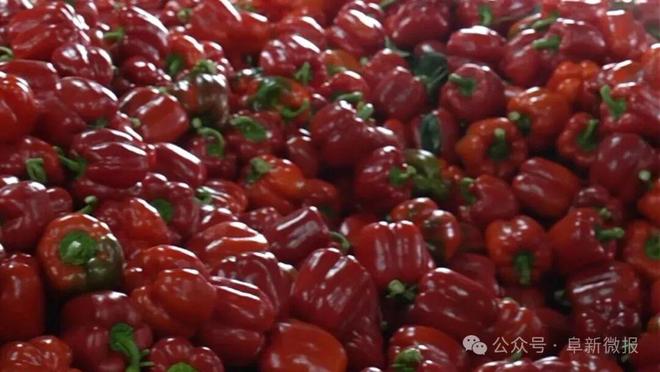
Fuxingdi township in Fuxin Mongol Autonomous County, Liaoning, has entered Central Asian markets through protected vegetable production. Nine of the township's 10 villages grow crops in solar greenhouses, with greenhouses covering nearly 26,000 mu (about 1,730 hectares) and 6,900 mu (about 460 hectares) under production, involving 1,450 households and more than 20 cooperatives that cover seedling raising, technical services, agricultural inputs and contracted procurement. "Fuxingdi tomato" has been included in the national list of famous, special and new agricultural products, and colour peppers are now "sold abroad, to Central Asian and European markets".
Facility upgrades underpin export capacity. This year Shijiazi village renovated more than 50,000 linear metres of greenhouses and the township more than 90,000 linear metres, adding automated ventilation, integrated water and fertiliser systems and transport rail carts. Produce is sold to Russia, Kyrgyzstan, Uzbekistan and Kazakhstan. The township now has 3,100 greenhouses growing more than 20 varieties, with tomatoes accounting for over 80%, producing 144,000 tonnes of fruit and vegetables a year with an annual output value of RMB 720 million.
Source: Liaoning Provincial People's Government website
9. Fresh-cut roses from Linxia County, Gansu reach Kazakhstan and other West and Central Asian markets within 48 hours
(29 October; source: Workers' Daily app)
At the smart greenhouses of the Zhenxing Baihui (China–Netherlands) International Flower Port in Linxia County, Gansu, light, temperature, water and nutrients are precisely controlled to grow more than 40 rose varieties, with annual output of 60 million fresh-cut stems. With cold-chain logistics, flowers cut in the morning can be exported to Russia, Kazakhstan and other West and Central Asian markets within 48 hours. The benefits for local households are visible: flower planting, cutting, packing and maintenance jobs employ more than 500 local residents at around RMB 4,000 a month, and all 218 village collectives in the county receive a share of industry dividends.

Source: Workers' Daily app
10. First batch of 150,000 seedlings shipped from Xinjiang's Hutubi National Seedling Trading Market to Tashkent
(29 October; source: China Changji Network)
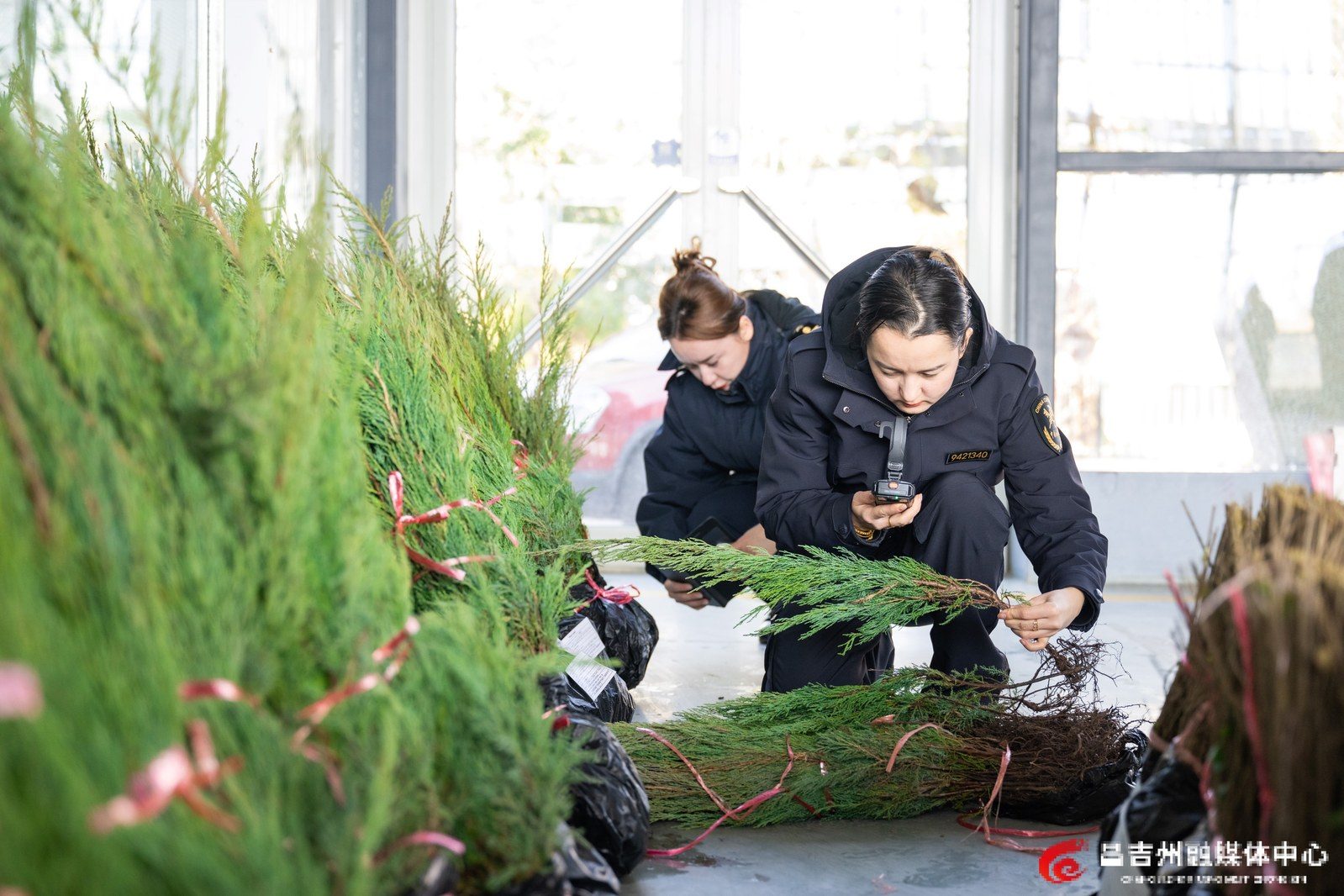
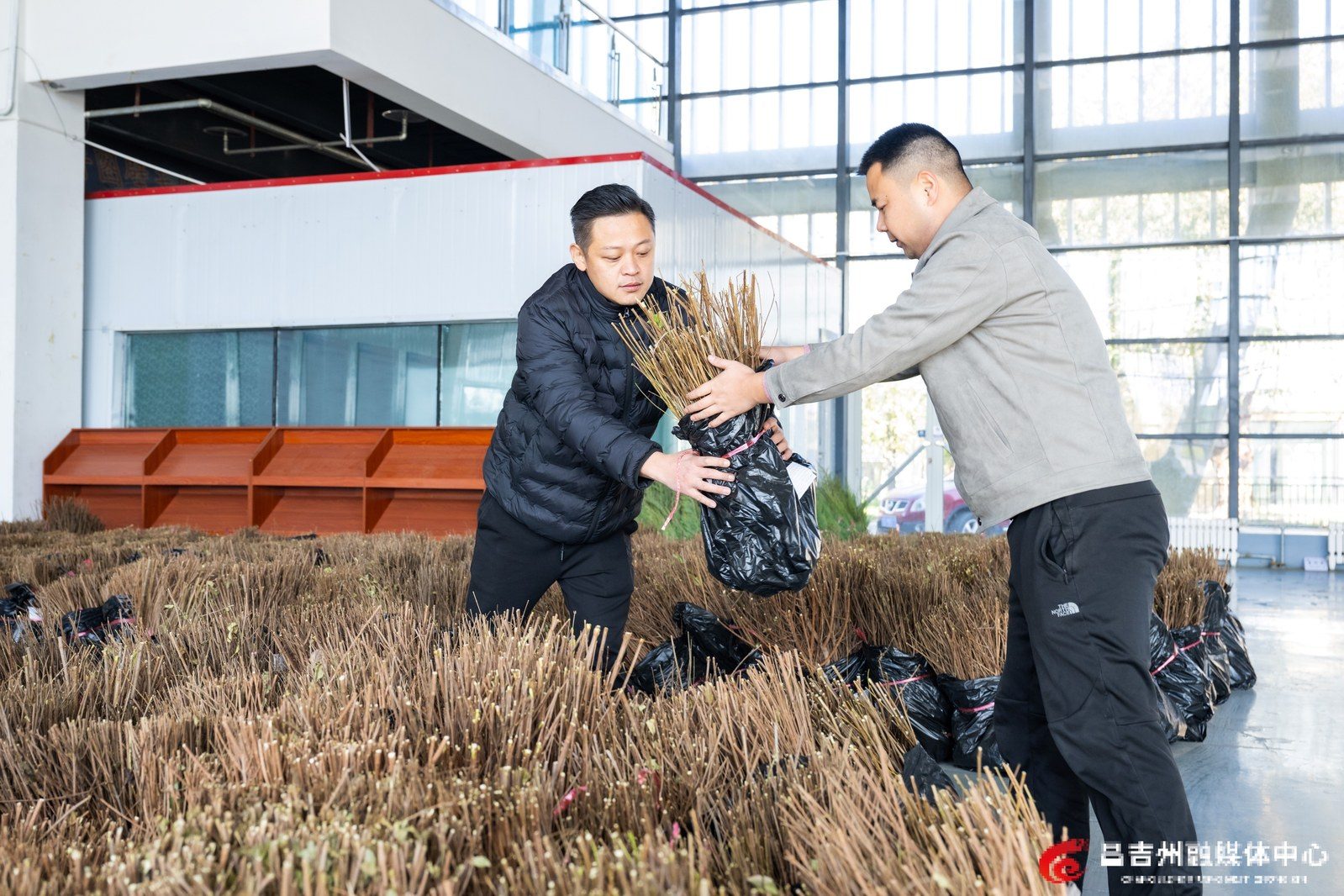
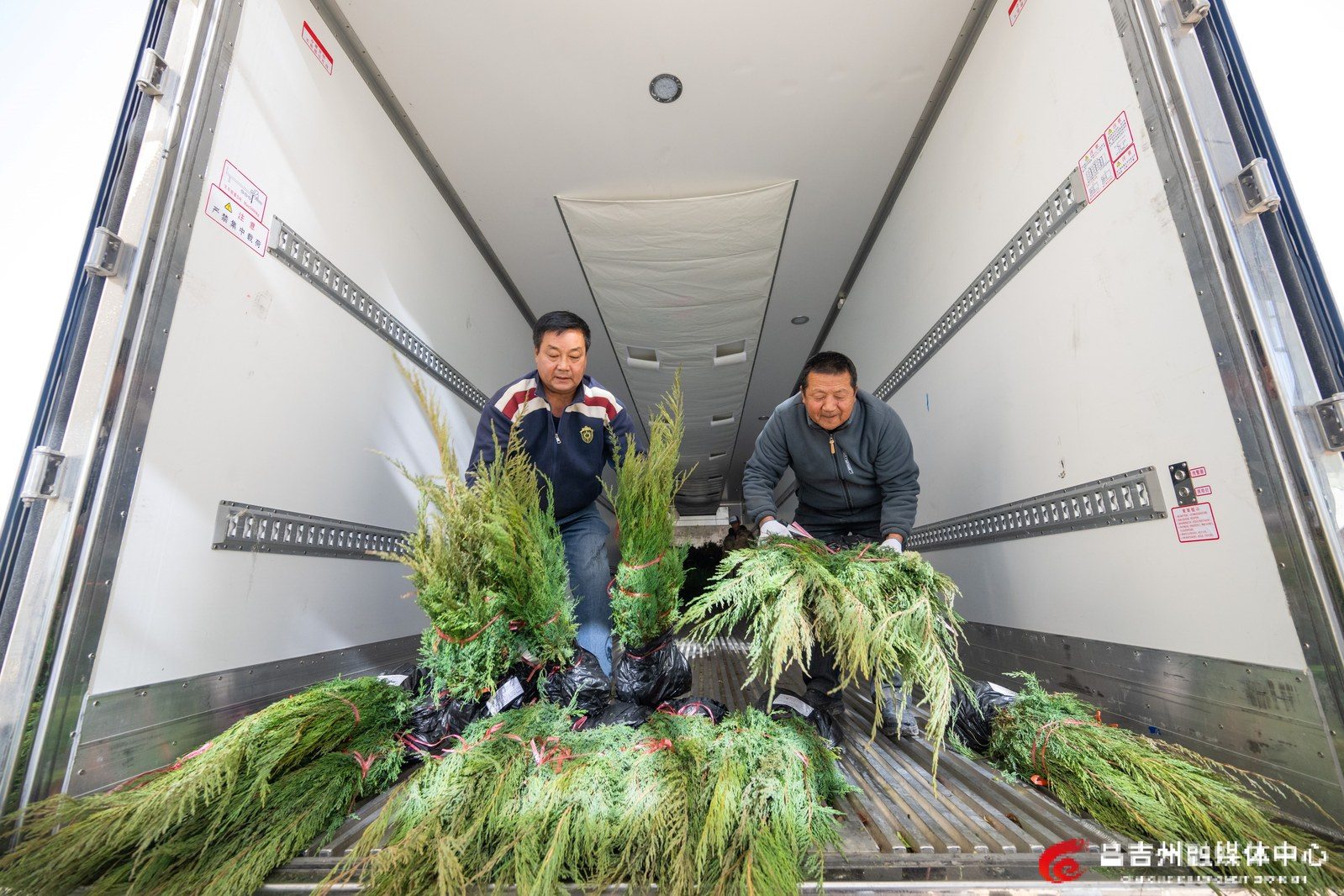
Cross-border biosafety quarantine for live agricultural and forestry products has long been a bottleneck for exports. At 12:58 on 29 October a refrigerated truck loaded with seedlings left the Hutubi National Seedling Trading Market in Xinjiang for Tashkent, the capital of Uzbekistan — the market's first shipment of seedlings to Central Asia after obtaining full export qualifications, marking the formal opening of a regular cross-border seedling sales channel for Hutubi on the back of the only national-level seedling trading market in north-west China. The shipment comprised 150,000 seedlings of four shrub species — lilac, privet, Sabina juniper and red-barked dogwood — chosen for drought and cold tolerance to suit urban greening and ecological restoration needs in Central Asia.
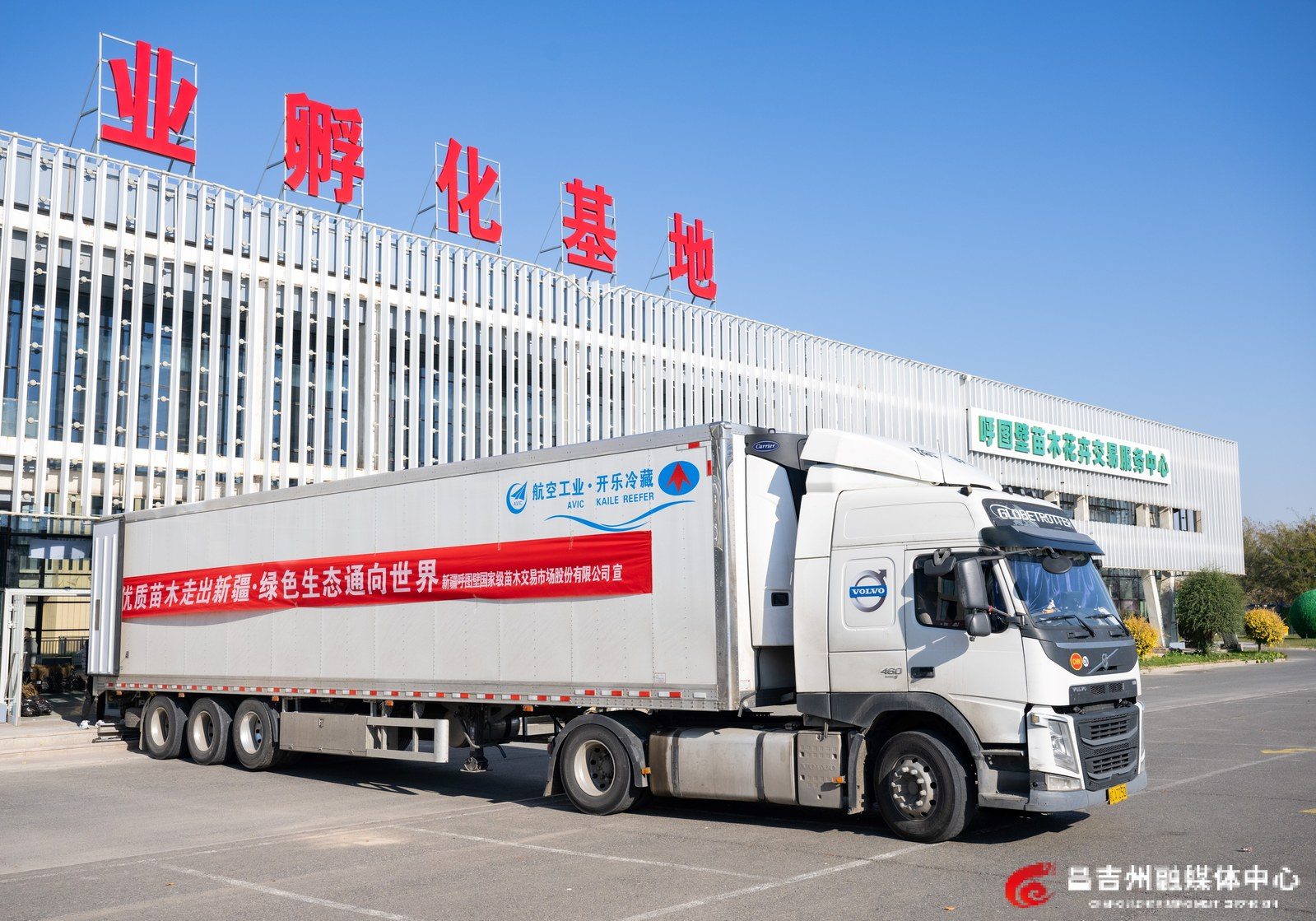
Before departure the seedlings were pruned and shaped, infected branches and leaves removed, roots washed, dipped in disinfectant and wrapped to retain moisture; customs inspected and released the consignment on site; and temperature and humidity were controlled in the refrigerated trailer. On the institutional side, the two sides have signed a long-term cooperation agreement under which annual exports over the next five years are expected to reach 35 million small ornamental shrubs and 5,000 trees, with 700 to 800 truckloads a year. Besides Tashkent, talks are under way with other Uzbek cities and several cities in Kazakhstan. On the production side, Hutubi County sold 9.6 million seedlings in January–May 2026, up 42.8%, worth RMB 137 million; by the end of May it had exported more than 41,000 seedlings to Uzbekistan and Tajikistan.
Source: China Changji Network
11. The 33rd Yangling Agricultural High-Tech Fair and the 2026 SCO Agricultural Expo close: platforms, technology and talent oriented to Central Asia
(Sources: Yangling District People's Government website, 30 October; Shaanxi Provincial People's Government, 28 October)
(1) Platform level: three Central Asian countries host overseas editions
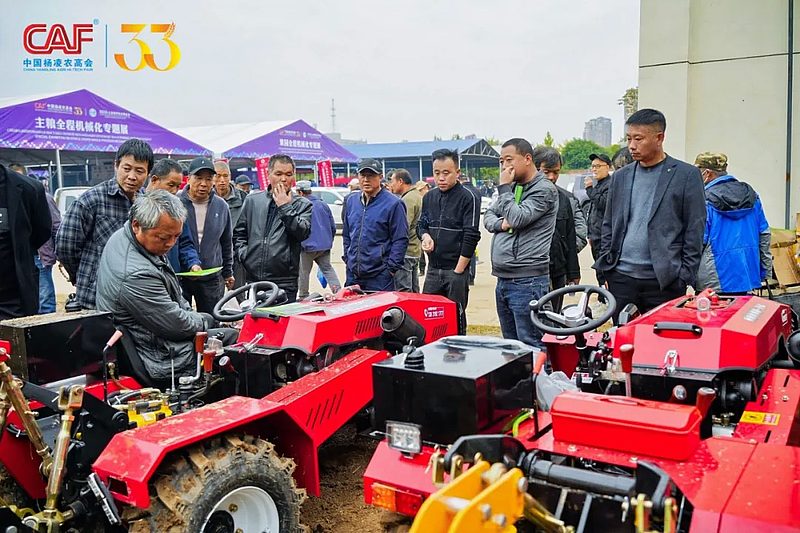
Overseas exhibitions are this year's main channel towards Central Asia, held in Uzbekistan, Kyrgyzstan and Kazakhstan in partnership with mature local trading platforms and demonstration parks to create regular bilateral agricultural cooperation matchmaking. The exhibition architecture follows a "1+5+9+N" model — one main domestic exhibition, five overseas touring exhibitions, nine thematic events and N featured activities — forming a dual-track structure of self-organised exhibitions and overseas touring exhibitions. (Shaanxi Provincial People's Government)

(2) Technology transfer: country-level results in Kazakhstan and Uzbekistan
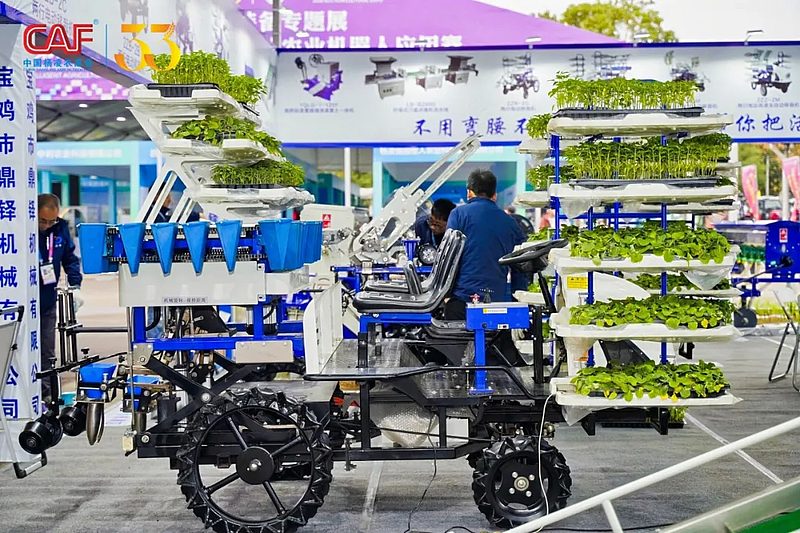
To date the SCO Agricultural Base has built 11 agricultural science and technology demonstration parks in five SCO member states, dispatched more than 190 experts for on-site guidance, and completed comparative trials and demonstration of more than 110 improved varieties. The country-level results point to different technological stages:
- Kazakhstan (rapeseed): new rapeseed varieties bred in Yangling out-yield local varieties by 32%–51%, with core quality indicators leading across the board; in 2025 four tonnes of commercial rapeseed seed were exported in bulk, opening the critical path from technical trial to commercial extension.
- Uzbekistan (water and fertiliser): smart water and fertiliser equipment raised crop yields by 30% while cutting water use by 50%.
Wang Jun, deputy secretary of the Yangling Demonstration Zone Party Working Committee and executive deputy director of the management committee, said Yangling will continue to leverage the SCO Agricultural Base platform to accelerate the "going out" of agricultural machinery, improved varieties and practical technologies, precisely serving sustainable agricultural development in SCO member states. (Shaanxi Provincial People's Government)
(3) Trade and two-way channels
Agreements: A number of Chinese agricultural enterprises and agriculture-related universities signed cooperation agreements with agricultural technology academies and institutions in Kazakhstan, Uzbekistan and other countries. During the event, more than 180 SCO agricultural cooperation intentions were formed in areas including agricultural science and technology cooperation, efficient trade systems, green agriculture and mutual recognition of agricultural product standards. (Yangling District People's Government)
Trade scale: In 2025 Shaanxi's agricultural trade with SCO member states reached RMB 2.278 billion; the total import and export volume of the Yangling Demonstration Zone was more than 112% higher than in 2021; and the Yangling Cross-border Commodity Exhibition and Trading Centre displays more than 1,000 specialty agricultural products from 35 countries, with Shaanxi's signature products having successfully entered multiple Central Asian markets. (Shaanxi Provincial People's Government)
Source: Yangling District People's Government; Shaanxi Provincial People's Government
12. Horgos Port fruit and vegetable exports hit a record high
(30 October; source: CCTV.com, China Media Group)
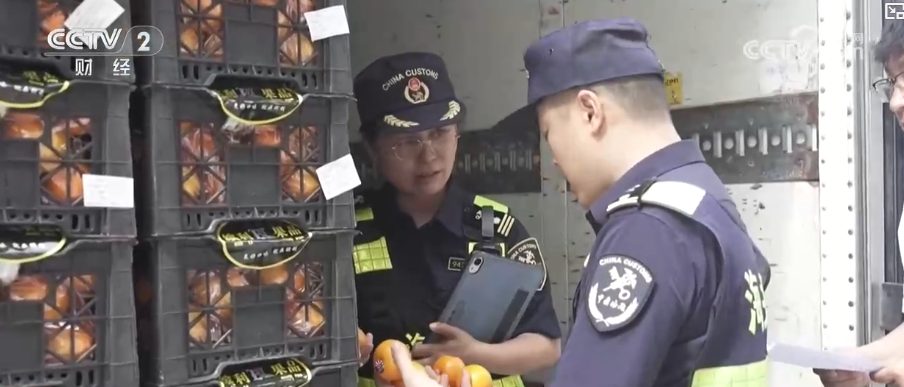
Every day large numbers of refrigerated box trucks loaded with apples, oranges, grapes, peppers, tomatoes and cucumbers pass through the China–Kazakhstan green channel for fast clearance at the Horgos road port, bound for Kazakhstan, Uzbekistan and other countries.
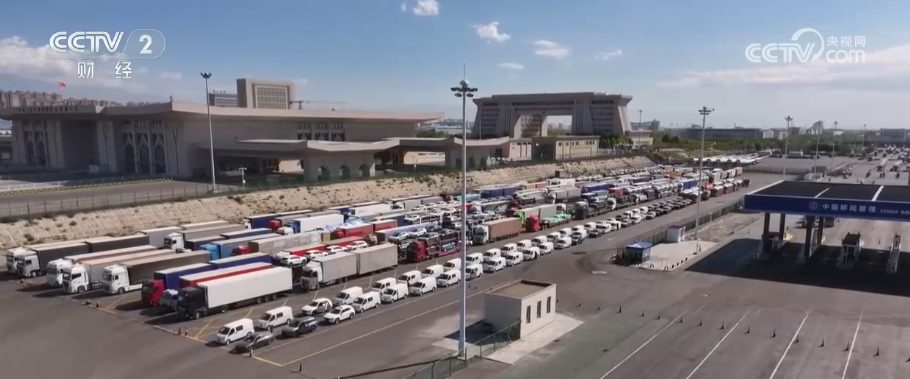
On volume, Horgos Port exported 490,000 tonnes of fruit and vegetables in January–September 2026, up 23.7% year on year and a record high. On the enterprise side, Zhang Shuli, a company manager, said this is the peak export season, with more than 50 truckloads and over 1,000 tonnes shipped daily; in January–September her company exported 170,000 tonnes of fruit and vegetables worth RMB 1.5 billion.
On transport support, Horgos Customs has continued to streamline clearance and worked with other agencies at the port to compress processing time, so that fresh fruit picked in the morning clears customs the same day.
Source: CCTV.com, China Media Group
13. Uzbekistan's citrus import eligibility list for China: 241 Chinese companies
(Issued in late October; source: Food Safety Committee of Uzbekistan)
Uzbekistan's food safety authority has published the list of packaging facilities approved to export citrus fruit to the country in 2026, which includes 241 companies from four Chinese provinces and autonomous regions.
| Province / region | Companies | Customs district | Main production area |
|---|---|---|---|
| Jiangxi | 129 | Nanchang | Largely Nanfeng County, south-eastern Jiangxi |
| Fujian | 99 | Xiamen | Mainly Pinghe County, Zhangzhou |
| Xinjiang | 11 | Horgos; Ili Kazakh Autonomous Prefecture; Kashi | — |
| Zhejiang | 2 | Taizhou | — |
Source: Food Safety Committee of Uzbekistan
14. Kashi–Khujand (Tajikistan) air route: fresh-cut flower exports begin to normalise
(1 November; source: Silk Road New Observation)
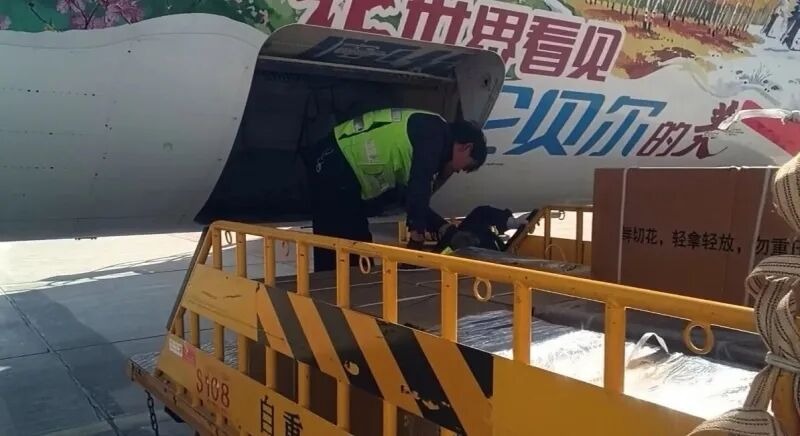
More than 500 kilograms of fresh-cut flowers left through the Kashi air port and reached Khujand, Tajikistan, in 1.5 hours. It was the third such shipment this month, marking the "initial normalisation" of fresh-cut flower exports from Kashi air port to Central Asia.
Supporting arrangements: Kashi Customs and the airport have streamlined inspection, warehousing and loading; policies of the Kashi area of the China (Xinjiang) Pilot Free Trade Zone have significantly shortened clearance time for fresh agricultural products; and belly-hold capacity on international passenger flights provides the 1.5-hour direct link. Belly-hold carriage plus free trade zone clearance facilitation together form a standard model for exporting fresh agricultural products through an air port.
On the supply side, the flower base in Duolaitibage township of Kashi city supports employment for hundreds of households; the Yizediyaer flower planting cooperative in Baren township of Jiashi County operates 42 greenhouses growing more than 20 best-selling varieties, forming a complete chain from propagation and cultivation to sales.
Source: Silk Road New Observation